
The Kiss Technologies Blog
The Kiss Technologies Blog
Perpetual vs. Service-Based Slag Detection: Why the Industry Is Shifting
Quick Answer:In perpetual vs. service-based slag detection, the key difference lies in how detection performance is maintained over time. Across industrial systems—including continuous casting—there is a clear shift from perpetual purchases to performance-based,...
Improving Steel Quality Without Disrupting Productivity
Steel quality in continuous casting is defined by surface condition, internal soundness, and consistency from heat to heat. It is heavily influenced by mold oscillation performance, lubrication behavior, and the overall mechanical stability of the caster. Most...
Managing Continuous Casting Data Across Shifts: How to Prevent Performance Drift
Most improvement efforts in continuous casting focus on equipment upgrades, new sensors, or tuning process parameters. Those are important. But there is another risk—less visible, but just as impactful on yield, uptime, and steel quality: Loss of consistency from...
From Casting Data to Decisions: How Steelmakers Turn Continuous Casting Data Into Measurable Results
Modern continuous casters generate a constant stream of casting data with every heat, every strand, and every shift. Mold level behavior, oscillation performance, thermal response, casting speed changes, and ladle/tundish conditions are all captured in real time. Most...
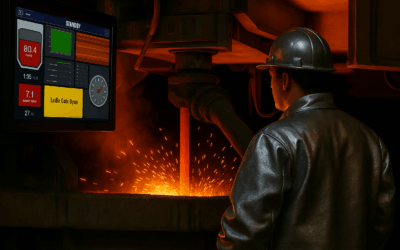
AI in Continuous Casting: Turning Slag Detection in Steel into Yield Control
Among the many variables that affect casting yield, the ladle-to-tundish transition remains one of the most difficult to control. In modern steelmaking, continuous casting operations face constant pressure to improve efficiency and reduce loss. Rising energy costs,...
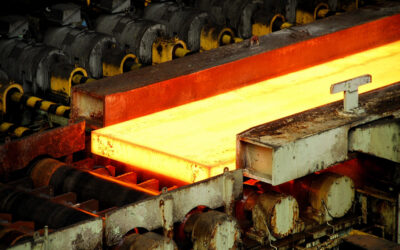
Uncovering the Hidden Drivers of Steel Casting Efficiency in Continuous Steel Casting
Continuous steel casting is one of the most interconnected and complex operations in steel production. While major equipment failures are rare and usually obvious, it’s often the subtle, undetected changes in process behavior—oscillation drift, cooling variation,...
Measured Friction vs. Friction Index in Continuous Casting
Why Measured Friction Matters: Choosing the Right Caster Monitoring System In continuous casting, real-time insights into mold conditions are essential for achieving optimal performance and product quality. One critical parameter steelmakers use is mold...
How should a steelmaker look at data for a modern data-driven continuous casting machine?
This blog post covers historical data analysis, real-time monitoring, predictive analytics, machine learning, and data visualization techniques that steelmakers can use to optimize their continuous casting process and stay competitive in the global market. In our...
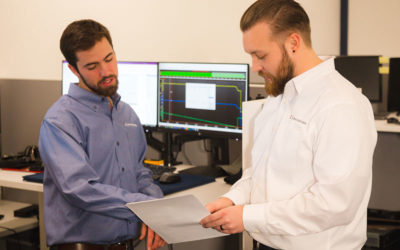
What data should a steelmaker use for a modern data-driven continuous casting machine?
In recent years, data-driven technologies have revolutionized steelmaking — and the most successful steelmakers are relying on data analytics to optimize their continuous casting process. We previously covered why steelmakers need to be looking at data — but what...
Why You Need Data to Improve Continuous Casting Quality
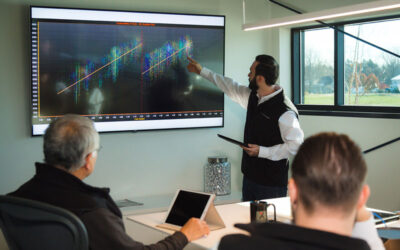
Improving continuous casting quality and productivity is a high priority for any steel caster. Top steelmakers strive to produce more, higher quality steel in less time and with less downtime. But that’s often easier said than done. This is where data and analytics...
What is Mold Friction?
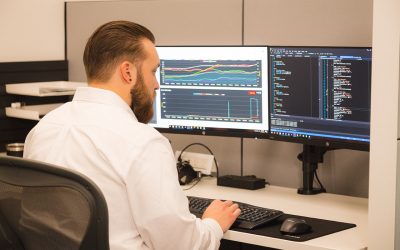
In continuous casting of steel, improving product quality and preventing breakouts are essential to profitable production. Mold friction analysis is one measurement that can help steel casters better understand constant changes in the continuous casting machine and...
What is Negative Strip Time?
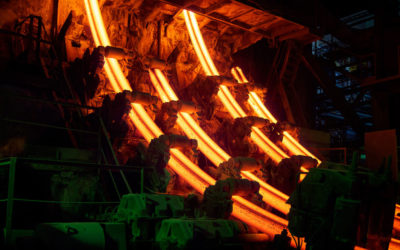
When it comes to the quality of continuous casting, steelmakers know that mold oscillation plays a vital role. One important concept that's often discussed in regards to mold oscillation and continuous casting is negative strip, which is usually expressed as negative...

Leading the steel industry for a measurable difference
Providing data-driven insights to continuous casting since 1989. Choose Kiss Technologies for a measurable difference.