
The Kiss Technologies Blog
The Kiss Technologies Blog
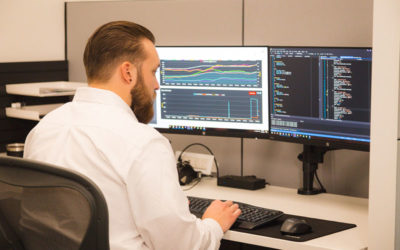
Managing Continuous Casting Data Across Shifts: How to Prevent Performance Drift
Most improvement efforts in continuous casting focus on equipment upgrades, new sensors, or tuning process parameters. Those are important. But there is another risk—less visible, but just as impactful on yield, uptime, and steel quality: Loss of consistency from...
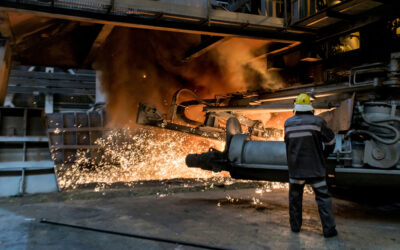
From Casting Data to Decisions: How Steelmakers Turn Continuous Casting Data Into Measurable Results
Modern continuous casters generate a constant stream of casting data with every heat, every strand, and every shift. Mold level behavior, oscillation performance, thermal response, casting speed changes, and ladle/tundish conditions are all captured in real time. Most...
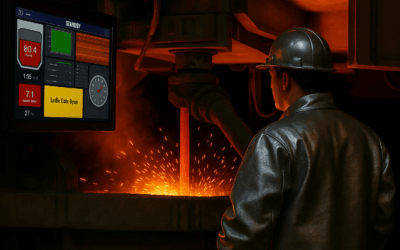
AI in Continuous Casting: Turning Slag Detection in Steel into Yield Control
Among the many variables that affect casting yield, the ladle-to-tundish transition remains one of the most difficult to control. In modern steelmaking, continuous casting operations face constant pressure to improve efficiency and reduce loss. Rising energy costs,...
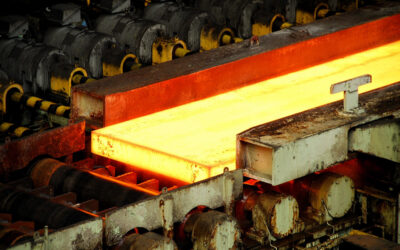
Uncovering the Hidden Drivers of Steel Casting Efficiency in Continuous Steel Casting
Continuous steel casting is one of the most interconnected and complex operations in steel production. While major equipment failures are rare and usually obvious, it’s often the subtle, undetected changes in process behavior—oscillation drift, cooling variation,...

How should a steelmaker look at data for a modern data-driven continuous casting machine?
This blog post covers historical data analysis, real-time monitoring, predictive analytics, machine learning, and data visualization techniques that steelmakers can use to optimize their continuous casting process and stay competitive in the global market. In our...
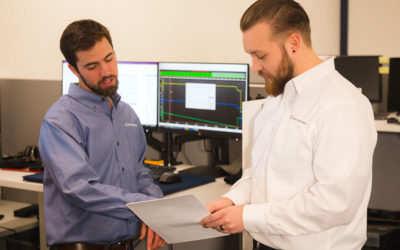
What data should a steelmaker use for a modern data-driven continuous casting machine?
In recent years, data-driven technologies have revolutionized steelmaking — and the most successful steelmakers are relying on data analytics to optimize their continuous casting process. We previously covered why steelmakers need to be looking at data — but what...
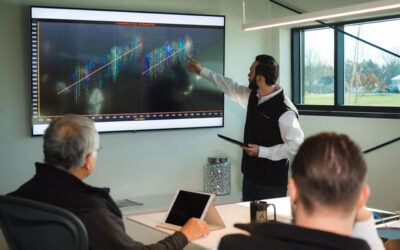
Why You Need Data to Improve Continuous Casting Quality
Improving continuous casting quality and productivity is a high priority for any steel caster. Top steelmakers strive to produce more, higher quality steel in less time and with less downtime. But that’s often easier said than done. This is where data and analytics...

What is Mold Friction?
In continuous casting of steel, improving product quality and preventing breakouts are essential to profitable production. Mold friction analysis is one measurement that can help steel casters better understand constant changes in the continuous casting machine and...
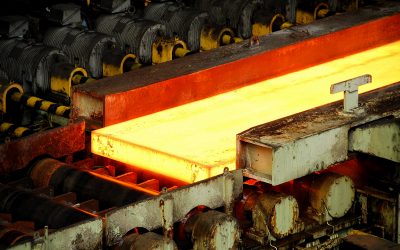
Acoustic vs Electromagnetic Ladle Slag Detection Systems: What’s the Difference
Steelmakers know that one of the greatest threats to steel production quality is slag carryover from the ladle to the tundish. Traditionally, operators would physically sense the change in vibration at the handles of the ladle shroud manipulator and manually close the...

Leading the steel industry for a measurable difference
Providing data-driven insights to continuous casting since 1989. Choose Kiss Technologies for a measurable difference.