
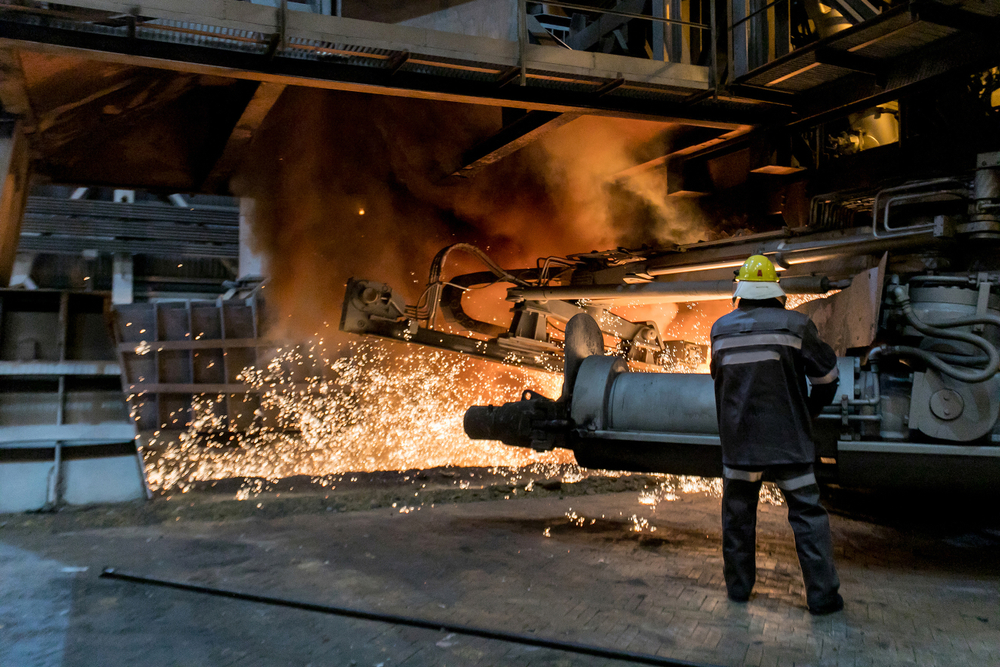
Modern continuous casters generate a constant stream of casting data with every heat, every strand, and every shift. Mold level behavior, oscillation performance, thermal response, casting speed changes, and ladle/tundish conditions are all captured in real time.
Most operations are not short on data. They are short on clarity during the heat.
The challenge isn’t collecting casting data—it’s knowing which signals matter, how to interpret them in the context of the heat, and when to act while steel is still being cast.
Operators often see signals without clear direction. Process engineers review trends after quality issues have already developed downstream. Managers deal with inconsistent performance from shift to shift.
When casting data isn’t aligned with how the caster actually runs, decisions default to operator experience rather than a consistent, process-driven standard.
This is where performance gaps emerge—variation between shifts, inconsistent surface quality, yield loss, and avoidable disruptions during casting.
This blog builds on Kiss Technologies’ earlier discussion of what casting data matters by focusing on what comes next: how steelmakers turn raw casting data into confident, repeatable decisions that improve yield, stabilize the caster, and protect steel quality.
The key takeaway is simple: Casting data only creates value when it drives consistent action during the heat.
Why Raw Casting Data Alone Doesn’t Improve Continuous Casting Performance
Collecting more casting data does not automatically improve caster performance. In many cases, it creates more noise.
Most plants rely on multiple disconnected systems. Mold signals exist in one interface. Ladle and tundish data in another. Quality results are reviewed after the heat.
This fragmentation makes it difficult to understand how the process is behaving as a complete system—especially during transient conditions like speed changes, grade transitions, or thermal disturbances.
At the same time, raw casting data is often presented without operational context.
Signals are displayed without linking them to heat conditions, grade behavior, casting speed, or process interactions.
Without that context, operators are forced to interpret signals in real time—often relying on personal experience instead of a shared standard.
The result is familiar across many casters:
- Different responses to the same condition from shift to shift
- Delayed root-cause identification when quality issues appear downstream
- Missed opportunities to stabilize the process during the heat
When each shift interprets casting data differently, consistency suffers. Small process deviations escalate, responses vary, and improvements are not carried forward heat to heat.
Casting data does not improve performance on its own.
It must be structured and aligned with the way steel is produced—or it simply becomes background noise.
Turning Casting Data Into Actionable Insight Requires Context
Context is what transforms casting data from numbers on a screen into insight operators can trust.
Casting data becomes valuable when it reflects how steel is actually made—not as isolated signals, but as a connected process.
Context transforms casting data into something operators can trust.
That means viewing data by:
- Heat
- Grade
- Strand
- Casting speed
- Sequence and operating condition
—and understanding how these variables interact during real production.
Without context, normal process variation can look like a problem.
With context, teams can distinguish between expected behavior and conditions that introduce real process risk—such as surface quality issues or instability in the mold.
When casting data is properly contextualized, teams can:
- Identify developing issues before they impact product quality
- Understand cause-and-effect relationships between process changes and outcomes
- Standardize best practices across shifts
For caster managers, this is critical.
Instead of relying on tribal knowledge or post-cast reviews, contextualized data creates a shared operating picture—aligning operators, engineers, and managers around the same decisions.
Insight doesn’t come from more charts.
It comes from placing casting data in the operational context where action is clear.
From Insight to Action: What Decision-Ready Casting Data Enables
When casting data is structured and contextualized, it becomes decision-ready—supporting faster, more consistent action during the heat.
Decision-ready casting data allows teams to reduce variability, respond with confidence, and protect yield heat after heat.
1. Faster, More Confident Operator Decisions
Real-time visibility highlights the conditions that actually require action.
Instead of reacting to every signal change, operators can see when behavior moves outside expected operating ranges—and understand why.
With decision-ready casting data:
- Operators know when to intervene and when to hold steady
- Actions are guided by process behavior, not guesswork
- Responses become consistent across shifts
The result is fewer unnecessary adjustments and more confidence during critical moments.
2. Reduced Quality Issues Through Early Intervention
Many surface and internal quality issues develop progressively during the heat.
Changes in mold behavior, thermal response, oscillation performance, or casting speed often appear before problems are visible downstream.
Decision-ready casting data allows teams to:
- Recognize early warning signs during casting
- Make adjustments before issues are locked into the strand
- Reduce reliance on post-cast inspection and rework
Early intervention protects product quality while the caster is still running.
3. Improved Yield and Process Stability
Overcorrection and inconsistent responses are major drivers of yield loss.
When decisions vary by operator or shift, the process becomes unstable.
Data-driven decision-making improves consistency by:
- Reducing unnecessary slowdowns and interruptions
- Aligning actions with proven operating practices
- Maintaining stable casting conditions across heats and grades
The result: more predictable performance, fewer downgrades, and more prime tons shipped.
Why Continuous Casting Process Models Matter More Than Generic Dashboards
Dashboards are useful—but they don’t fully support decision-making during live casting.
Most dashboards show what happened:
- Temperatures changed
- Speeds shifted
- Signals moved
What they don’t show is what it means for the process or how operators should respond.
That’s where process models make the difference.
Process models built specifically for continuous casting reflect real caster behavior:
- Metallurgical response of different grades
- Mechanical interactions in the mold
- Cause-and-effect relationships across the process
This matters because:
- Operators can relate signals to actual process behavior
- Engineers can link conditions directly to root causes
- Decisions align with how the caster runs—not abstract analytics
Unlike generic dashboards, process models translate casting data into real-time guidance.
Dashboards report the past.
Process models support decisions in the present.
Introducing CasterANALYTICS: The Foundation for Decision-Ready Casting Data
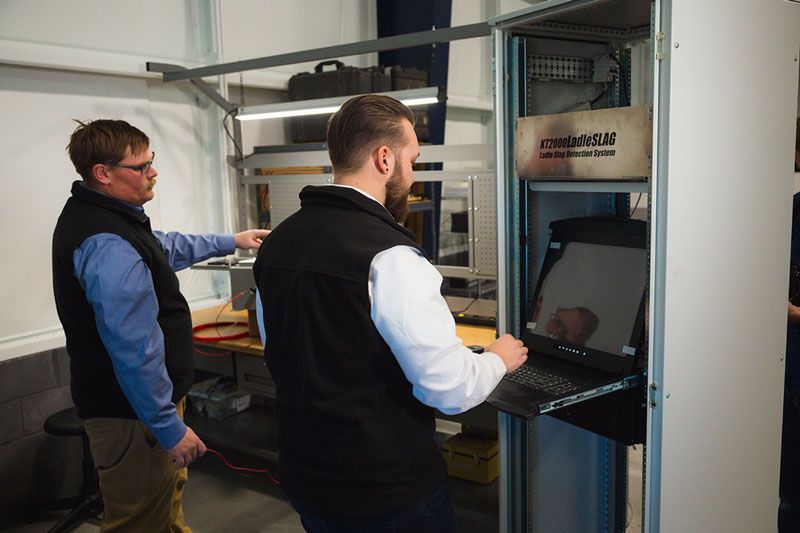
CasterANALYTICS is purpose-built for continuous casting operations that need more than data—they need actionable insight during the heat.
It structures and models casting data the way casters actually operate, ensuring insights translate directly into decisions on the floor.
CasterANALYTICS organizes casting data by:
- Heat, grade, strand, and casting speed
- Process behavior over time—not just point values
- Relationships between variables—not isolated signals
This allows teams to move seamlessly from live monitoring to root-cause analysis without losing context.
Built for Real Casting Decisions
CasterANALYTICS delivers the capabilities caster managers rely on to maintain stability and protect yield:
- Real-time visibility of meaningful process deviations
- Structured analysis aligned with casting workflows
- Interfaces designed for how caster managers and operators think
Backed by Kiss Technologies’ process expertise, it ensures data leads to measurable improvements—not just reports.
CasterANALYTICS functions as an extension of your process engineering team—focused on improving stability, yield, and steel quality.
Supporting Every Role on the Casting Floor
For casting data to drive results, it must support everyone involved in the process.
When data is structured and decision-ready, it aligns operators, engineers, and managers—reducing variability and improving execution.
Operators gain clarity during the heat
They see meaningful deviations in context and understand when action is required.
Engineers gain faster, defensible root-cause analysis
Data is organized by heat and process conditions, eliminating disconnected analysis.
Managers gain consistent performance
Shift-to-shift variability decreases, and caster behavior becomes more predictable.
Everyone works from the same version of the truth.
Decisions reinforce each other instead of conflicting.
Measurable Results Start With the Right Foundation
Casting data only matters when it improves outcomes.
Steelmakers who consistently improve yield and stabilize performance don’t just collect more data—they operationalize it.
With the right foundation:
- Data becomes decision-ready
- Insight leads to repeatable action
- Performance improves heat after heat
When casting data is aligned with how steel is made—and supported by casting-specific models—it becomes a true competitive advantage.
Are You Ready to Turn Casting Data Into Confident Decisions?
Most steelmakers already have the data they need.
The difference between average and consistent performance comes down to how that data is structured, interpreted, and applied during the heat.
CasterANALYTICS turns casting data into measurable results:
- Real-time insight during casting
- Consistent decision-making across shifts
- Improved stability, yield, and steel quality
If you’re ready to move beyond dashboards and make confident, data-driven decisions at the caster, talk with a Kiss Technologies expert to see CasterANALYTICS in action.