by Tovi Kiss | Mar 30, 2026 | Kiss Technologies, Ladle Slag Detection Systems
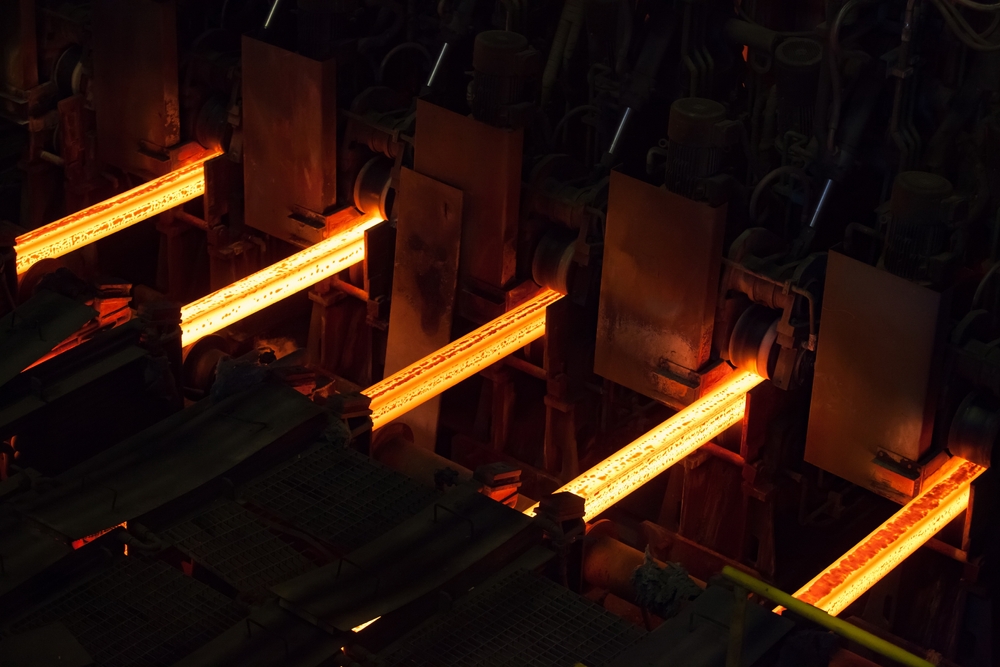
Quick Answer:In perpetual vs. service-based slag detection, the key difference lies in how detection performance is maintained over time. Across industrial systems—including continuous casting—there is a clear shift from perpetual purchases to performance-based,...
by Michael Kiss | Mar 9, 2026 | Kiss Technologies, Ladle Slag Detection Systems
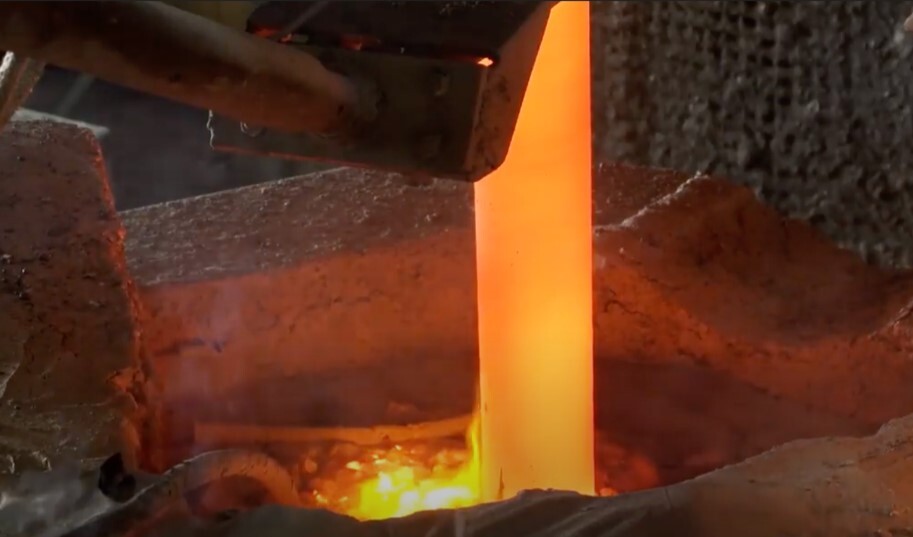
A ladle slag detection system helps steelmakers control one of the most critical moments in continuous casting—the end of the heat. By identifying when slag begins entering the molten steel stream during ladle draining, the system allows operators to close the ladle...
by Tovi Kiss | Jan 21, 2026 | Continuous Casting, Kiss Technologies
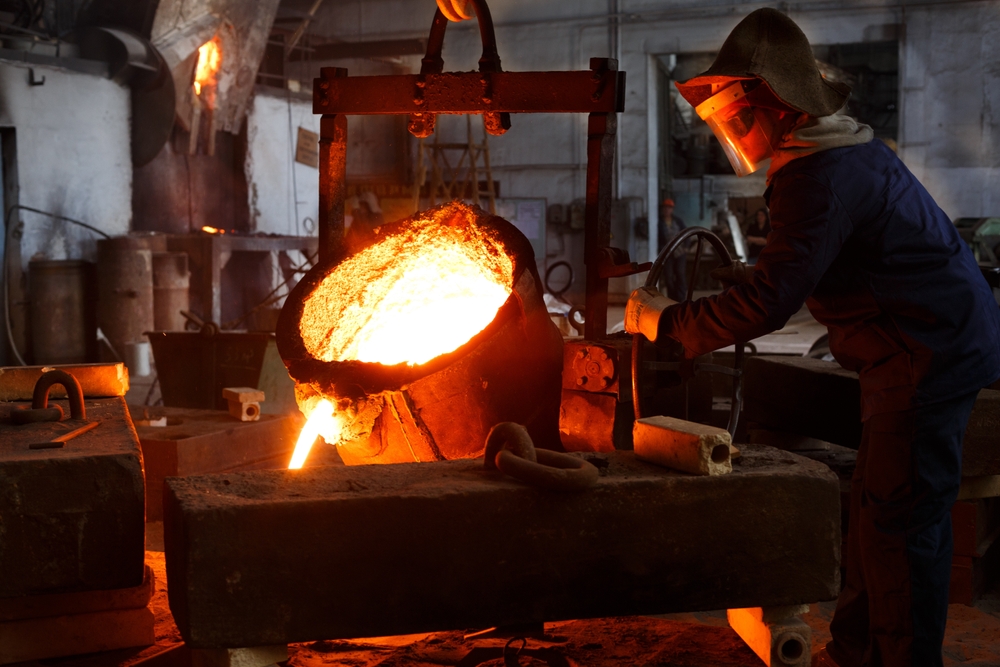
Most improvement efforts in continuous casting focus on equipment upgrades, new sensors, or tuning process parameters. Those are important. But there is another risk—less visible, but just as impactful on yield, uptime, and steel quality: Loss of consistency from...
by Tovi Kiss | Jan 15, 2026 | Casting Data, Kiss Technologies
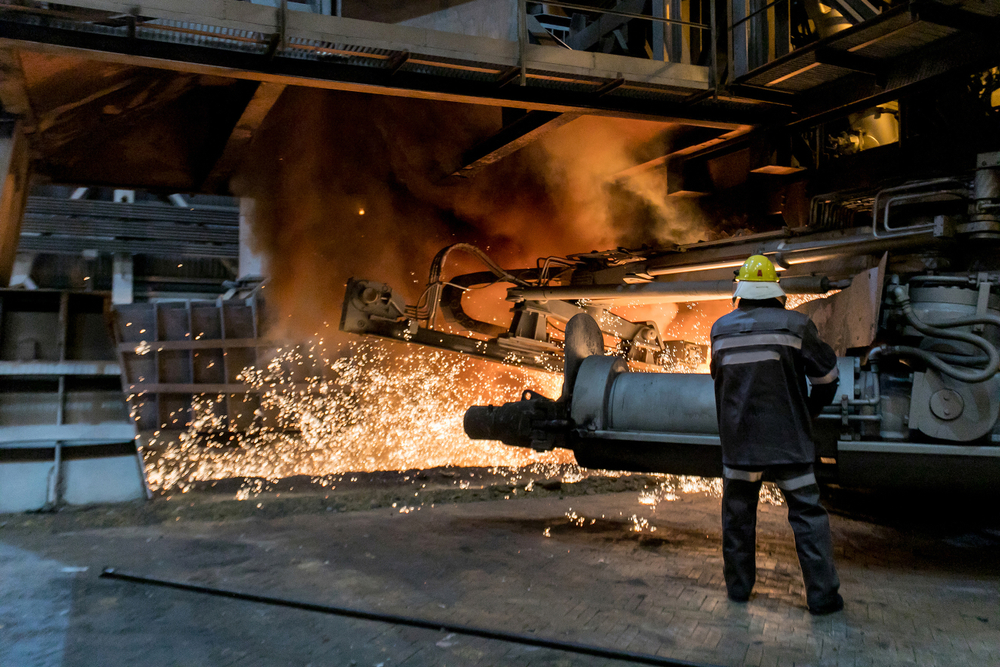
Modern continuous casters generate a constant stream of casting data with every heat, every strand, and every shift. Mold level behavior, oscillation performance, thermal response, casting speed changes, and ladle/tundish conditions are all captured in real time. Most...
by Tovi Kiss | Dec 11, 2025 | Kiss Technologies, Ladle Slag Detection Systems
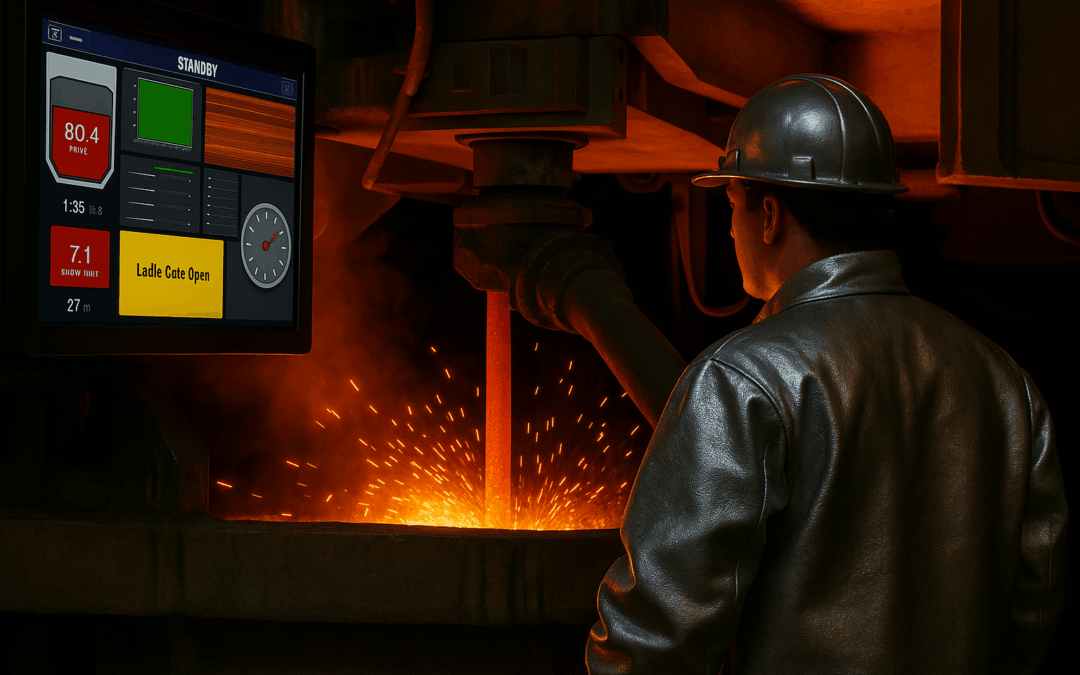
Among the many variables that affect casting yield, the ladle-to-tundish transition remains one of the most difficult to control. In modern steelmaking, continuous casting operations face constant pressure to improve efficiency and reduce loss. Rising energy costs,...
by Tovi Kiss | Jul 31, 2025 | Kiss Technologies
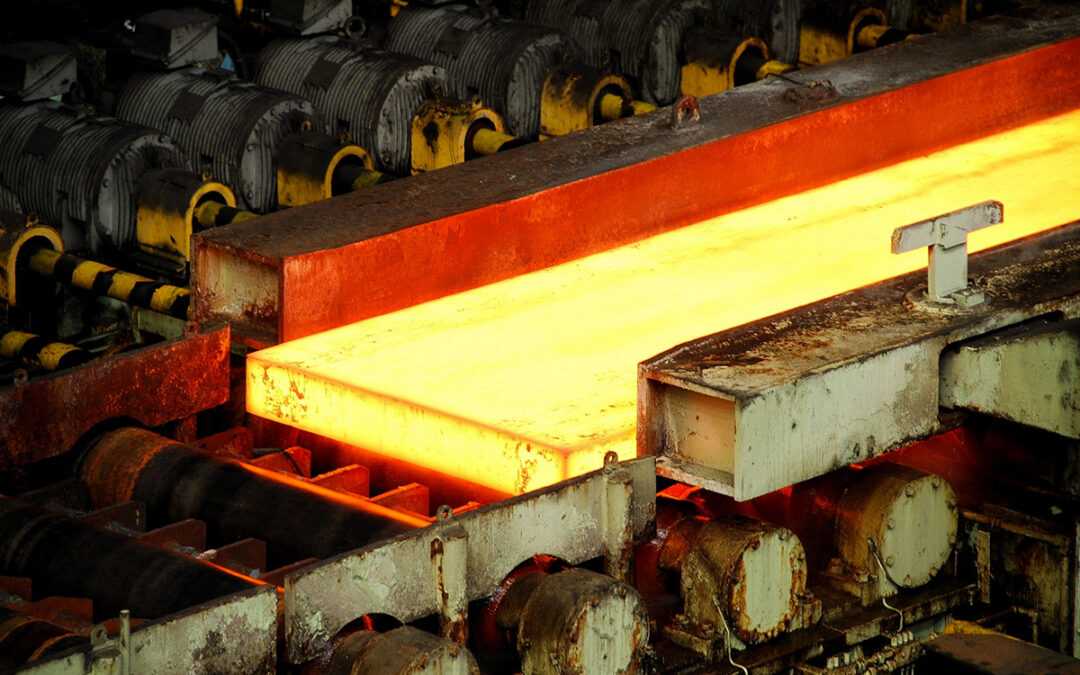
Continuous steel casting is one of the most interconnected and complex operations in steel production. While major equipment failures are rare and usually obvious, it’s often the subtle, undetected changes in process behavior—oscillation drift, cooling variation,...