
The Kiss Technologies Blog
The Kiss Technologies Blog
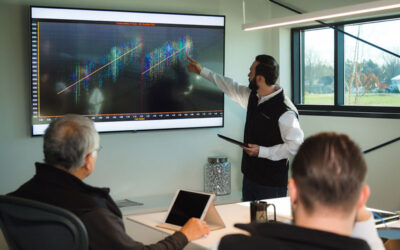
How Can CasterANALYTICS Help You Cast Faster?
Every continuous caster has practical speed limits. Without complete process data, operators are often left to estimate exactly where those limits are. Push casting speed too far and the risks increase: unstable mold conditions, quality problems, or potentially a...
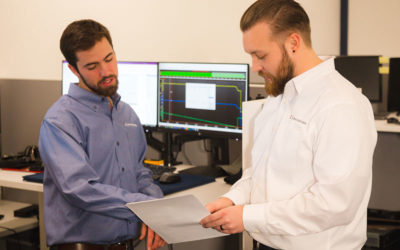
The ROI of Ladle Slag Detection: How to Build the Financial Case for Better Slag Control
Kiss Technologies breaks down where the ROI of a ladle slag detection system comes from. Benefits include improved metallic yield, longer tundish campaigns, fewer quality losses, and more consistent casting. When replacing older detection technology, lower maintenance...
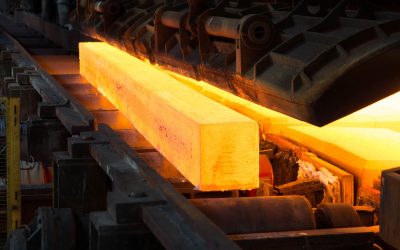
Measured Friction vs. Friction Index in Continuous Casting
Continuous casting operations run on data. But not all mold friction data represents the same thing. Some systems infer friction from mold vibration and acceleration. Others determine the friction force acting during casting. That difference affects not only how the...
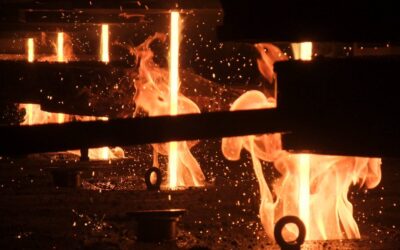
What Causes Continuous Casting Defects? Mold Root Causes and Prevention
Quick Answer: Many important continuous casting defects originate during the first moments of solidification inside the copper mold. Variations in lubrication, heat transfer, mold oscillation, mold flux behavior, mold level, and steel flow can contribute to shell...
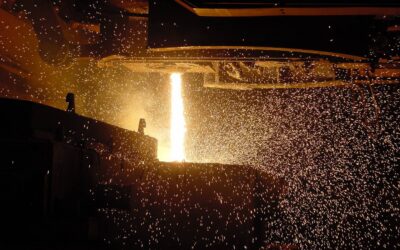
Visual Slag Detection in Continuous Casting: Limitations and Better Alternatives
Consistent steel cleanliness starts with consistent process control, and few variables affect cleanliness more directly than what enters the tundish during ladle draining. For operations that still rely on manual visual observation to identify slag carryover, process...
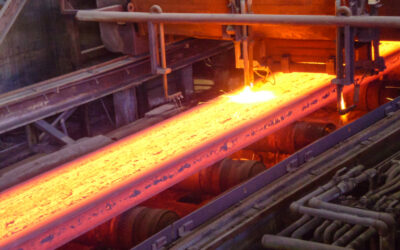
KT2000 GEN2 Acoustic vs. Electromagnetic Slag Detection: A Comparison of Detection Timing, Steel Cleanliness, and Yield Control
The Critical Impact of Slag Carryover on Metallurgical Performance Slag carryover during the ladle-to-tundish transfer remains a primary driver of non-metallic inclusions, surface defects, and accelerated refractory wear. For metallurgists prioritizing steel...
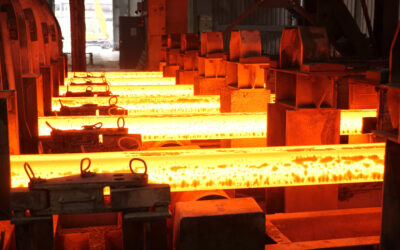
Optimize Your Continuous Caster: The Strategic Role of Pre-Downturn Mold Oscillation Audits
In continuous casting of steel, mold oscillation performance directly impacts surface condition, lubrication behavior, shell development, breakout prevention, and overall caster reliability. Small changes in oscillator performance can create process instability long...
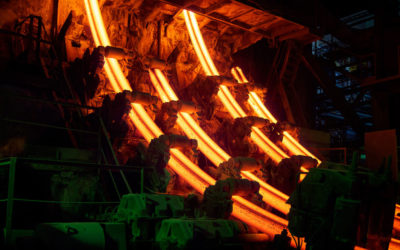
What is Negative Strip Time?
Negative strip time in continuous casting is the period during mold oscillation when mold velocity exceeds casting speed during the downstroke. This parameter directly influences: Surface quality Mold lubrication behavior Breakout prevention Controlling negative strip...
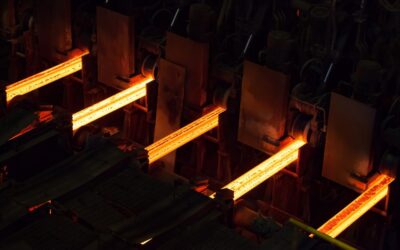
Perpetual vs. Service-Based Slag Detection: Why the Industry Is Shifting
Quick Answer:In perpetual vs. service-based slag detection, the key difference lies in how detection performance is maintained over time. Across industrial systems—including continuous casting—there is a clear shift from perpetual purchases to performance-based,...
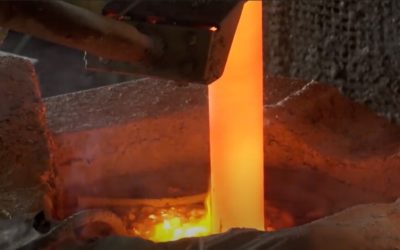
Economic Benefits of a Ladle Slag Detection System
A ladle slag detection system helps steelmakers control one of the most critical moments in continuous casting—the end of the heat. By identifying when slag begins entering the molten steel stream during ladle draining, the system allows operators to close the ladle...
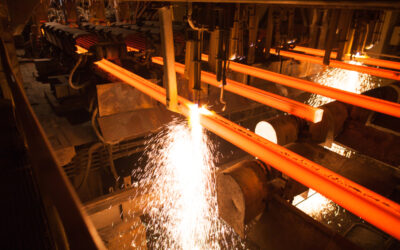
Improving Steel Quality Without Disrupting Productivity
Steel quality in continuous casting is defined by surface condition, internal soundness, and consistency from heat to heat. It is heavily influenced by mold oscillation performance, lubrication behavior, and the overall mechanical stability of the caster. Most...
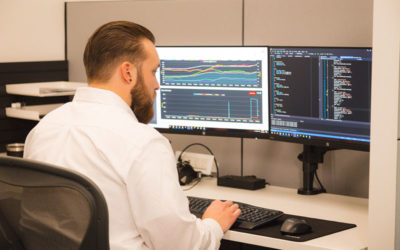
Managing Continuous Casting Data Across Shifts: How to Prevent Performance Drift
Most improvement efforts in continuous casting focus on equipment upgrades, new sensors, or tuning process parameters. Those are important. But there is another risk—less visible, but just as impactful on yield, uptime, and steel quality: Loss of consistency from...

Leading the steel industry for a measurable difference
Providing data-driven insights to continuous casting since 1989. Choose Kiss Technologies for a measurable difference.