
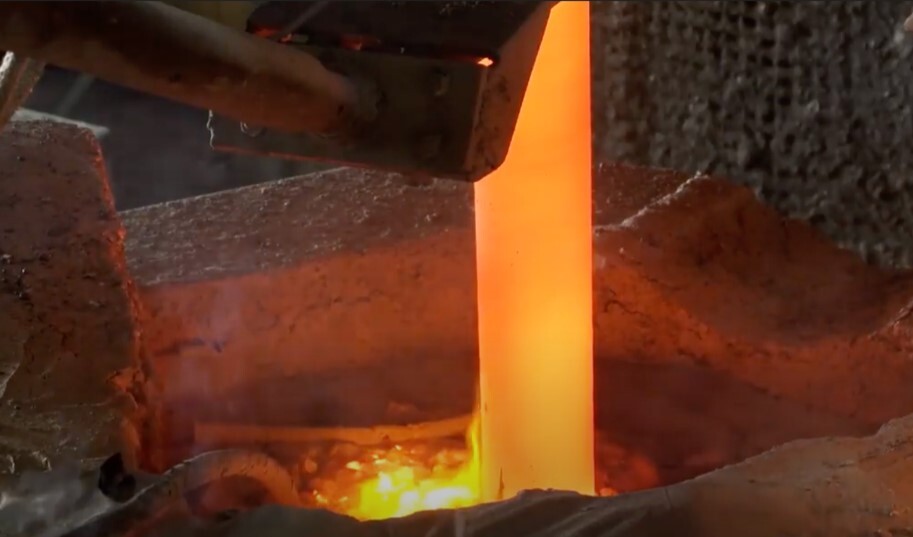
A ladle slag detection system helps steelmakers control one of the most critical moments in continuous casting—the end of the heat. By identifying when slag begins entering the molten steel stream during ladle draining, the system allows operators to close the ladle at the right time, before contamination reaches the tundish. In practice, this improves timing and reduces variability in a decision that is otherwise operator-dependent.
When that moment is controlled more consistently, the impact shows up quickly across the operation. Steelmakers are able to:
- Recover more clean steel from each heat
- Reduce slag carryover into the tundish
- Maintain more stable casting conditions
Over time, this leads to improved yield, better steel cleanliness, and more predictable casting performance heat to heat. For most operations, ladle slag detection becomes a practical way to tighten end-of-heat control without adding complexity to the process.
Ladle Slag Detection in Continuous Casting Operations
Slag carryover is a common issue on the caster, especially at the end of the heat where operators are balancing yield and risk. The goal is always the same—recover as much clean steel as possible without pulling slag into the tundish—but achieving that consistently is difficult.
Manual detection relies on experience and visual cues, which vary across operators, shifts, and plant conditions. This variability shows up in daily operation:
- Early ladle closure leaves usable steel in the ladle
- Late closure allows slag into the tundish
- Results differ heat to heat and crew to crew
A ladle slag detection system introduces a consistent signal at this decision point, helping reduce variation and improve repeatability.
How Ladle Slag Detection Systems Work
Most ladle slag detection systems use acoustic vibration sensors mounted at the ladle shroud manipulator. These sensors monitor changes in vibration during ladle draining and identify the transition that occurs as vortex formation begins.
This transition happens before sustained slag flow, which makes it a useful indicator for timing. Instead of relying only on visual confirmation or delayed signs of slag, operators have a more immediate reference point.
In practice, this allows operators to:
- Close the ladle at a more consistent point heat to heat
- Act before slag enters the steel stream
- Reduce dependence on subjective judgment
The result is improved control of end-of-heat timing and more consistent outcomes across shifts.
How Ladle Slag Detection Improves Continuous Casting Performance and Profitability
Ladle slag detection systems impact both day-to-day casting performance and overall plant economics. While the most visible improvement is in yield, the benefits extend into quality and stability.
1. Increased Yield
Yield improvement comes from reducing uncertainty at the end of the heat. Without detection, operators often compensate by either closing early to avoid risk or pushing too far and accepting occasional slag carryover.
With a consistent detection signal, operators can run closer to the true end of the heat while maintaining control. This leads to:
- More clean steel recovered per heat
- Less variation in end-of-heat timing
- Improved yield across shifts and production cycles
Even small gains per heat accumulate quickly, making yield improvement one of the primary economic drivers for these systems.
2. Improved Steel Quality
Keeping slag out of the tundish is essential for maintaining steel cleanliness. When slag enters the tundish, it introduces impurities that can affect both casting performance and final product quality.
By improving end-of-heat timing, slag detection helps reduce:
- Non-metallic inclusions
- Nozzle clogging
- Surface and internal defects
This results in more consistent steel quality and fewer downstream issues, particularly on grades with tighter cleanliness requirements.
3. More Stable Casting Operations
Slag carryover affects more than quality—it impacts how stable the caster runs. When slag enters the system, it can disrupt flow conditions and create variability across strands.
Reducing slag carryover helps:
- Maintain more stable tundish conditions
- Reduce unexpected clogging events
- Improve consistency across heats and sequences
The benefit is a more predictable casting process with fewer interruptions and less variability.
The overall result: higher yield, improved steel cleanliness, and more predictable casting performance heat to heat.
How to Prevent Slag Carryover in Continuous Casting
Preventing slag carryover comes down to controlling timing at the end of the heat. Without a reliable signal, operators rely on experience and visual cues, which can lead to inconsistent decisions.
With automated ladle slag detection, timing becomes more repeatable and less dependent on individual judgment. A consistent signal allows operators to make the same decision point across heats and shifts.
When slag carryover is controlled, steelmakers can:
- Reduce nozzle clogging
- Extend tundish lining life
- Run longer casting sequences
- Improve overall casting consistency
These improvements contribute directly to both operational stability and cost reduction.
Short-Term Return on Investment with Ladle Slag Detection Systems
Ladle slag detection systems are typically straightforward to install and maintain, which contributes to a fast return on investment. Most systems require minimal hardware and do not involve modifications to the ladle itself.
From an operational standpoint:
- Installation is simple, often with one sensor per manipulator
- Maintenance requirements are low
- Sensors have long service life
The economic return is driven primarily by yield recovery. Even a small increase per heat compounds across daily production:
- Additional tons recovered per heat
- Increased output over time
- Payback often achieved within months
Because the return is driven by yield recovery rather than process changes, the impact is both immediate and repeatable.
For many plants, this is one of the clearest ROI cases in the casting process.
Using Slag Detection Data to Improve Casting Performance
In addition to real-time detection, ladle slag detection systems generate heat-by-heat data that can be used to improve performance over time. This provides visibility into how consistently the process is being controlled.
With this data, steelmakers can:
- Review end-of-heat timing across heats
- Compare operator performance and consistency
- Identify patterns and variability
Over time, this supports:
- Standardization of best practices
- Reduced operator-dependent variation
- Continuous improvement in casting performance
When integrated with broader analytics, slag detection becomes part of a more structured, data-driven approach to process control.
Why Ladle Slag Detection Matters for Continuous Casting
The end of the heat is one of the most sensitive points in continuous casting. Small differences in timing can have a direct impact on yield, cleanliness, and stability.
When that moment is controlled consistently:
- More saleable steel is recovered
- Slag-related defects are reduced
- Casting conditions remain stable
Reducing slag carryover allows plants to:
- Improve yield and profitability
- Maintain steel cleanliness
- Extend tundish and nozzle life
- Reduce variability across operations
These improvements work together to strengthen both operational performance and economic results.
Key Takeaways: Ladle Slag Detection Systems in Continuous Casting
Ladle slag detection systems provide a practical way to control end-of-heat timing and reduce variability in continuous casting operations. By improving consistency, they help steelmakers recover more clean steel while avoiding the risks associated with slag carryover.
Key benefits include:
- Earlier and more reliable detection of slag approach
- Improved consistency in ladle closure timing
- Increased steel recovery per heat
- Reduced slag-related defects and clogging
- More stable and predictable casting conditions
- Measurable economic gains through yield improvement
Frequently Asked Questions About Ladle Slag Detection
What is slag carryover in steelmaking?
Slag carryover occurs when slag enters the molten steel stream during ladle draining. When it reaches the tundish, it can introduce impurities that affect cleanliness, clogging, and casting stability.
What is acoustic slag detection?
Acoustic slag detection uses vibration sensors mounted at the ladle shroud manipulator to monitor changes during ladle draining. These changes indicate when slag is approaching the steel stream.
How does ladle slag detection work?
The system monitors vibration patterns as the ladle drains. As vortex formation begins, the signal changes, indicating that slag is approaching and allowing operators to close the ladle before contamination occurs.
How accurate are ladle slag detection systems?
Modern systems can reliably detect the transition before sustained slag flow. Accuracy depends on proper installation, calibration, and operating conditions.
Why is slag carryover a problem in continuous casting?
Slag carryover introduces impurities into the tundish, leading to inclusions, nozzle clogging, reduced steel cleanliness, and less stable casting conditions.
What are the benefits of preventing slag carryover?
Preventing slag carryover helps maintain steel cleanliness, reduce defects, minimize clogging, extend tundish life, and improve overall casting stability.
Can slag detection be automated?
Yes. Ladle slag detection systems operate continuously and provide real-time feedback, helping operators make more consistent decisions without relying solely on manual observation.
What are the economic benefits of ladle slag detection?
The primary economic benefit is improved yield through increased recovery of clean steel. Additional benefits include reduced defects, lower maintenance costs, and more stable operations.
Improve End-of-Heat Control and Casting Performance With Kiss Technologies
Steelmakers using ladle slag detection systems consistently see improvements in yield, steel cleanliness, and casting stability. By improving control at the end of the heat, these systems reduce variability and help standardize one of the most operator-dependent parts of the process.
If your goal is to reduce slag carryover and improve casting performance, ladle slag detection provides a direct and proven way to control one of the most critical moments in the process.
Explore how Kiss Technologies helps steelmakers standardize end-of-heat timing and improve casting performance heat after heat.